


If you've been exploring nature-based early childhood education, you've almost certainly encountered all three of these terms — often applied to the same thing, by different people, in the same conversation. The confusion is understandable. All three involve children, outdoors, and nature. But they represent meaningfully different educational models with different philosophies, training requirements, regulatory considerations, and practical implications for your centre.
Forest school: a specific model
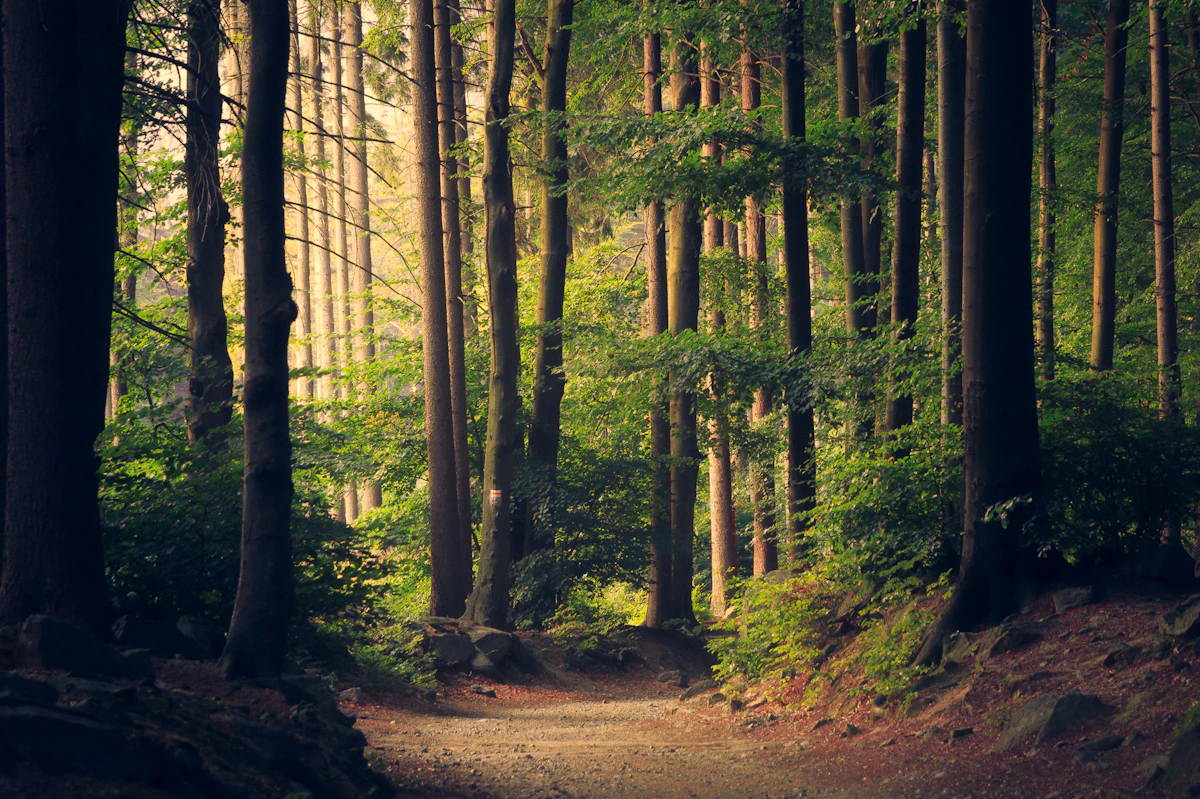
Forest school is not simply outdoor education. It's a specific, internationally developed pedagogical approach with defined characteristics: regular and repeated sessions in a natural woodland or similar setting (typically weekly), sustained engagement with the same site over a long period (months or years), child-led and child-initiated learning, managed risk as a developmental tool, and facilitation by a trained Forest School Leader or Practitioner.
In Canada, the Forest School Canada network certifies practitioners and maintains standards consistent with the international model. A programme calling itself a forest school should have at least one certified leader on staff, a defined outdoor site, and a programme structure consistent with the model — not simply "we go outside a lot."
Forest school is typically a supplementary programme within a conventional centre (e.g., weekly forest school sessions for a preschool group) rather than a replacement for the full programme.
Nature kindergarten: the immersion model
Nature kindergarten (also called outdoor kindergarten or nature immersion programme) describes programmes where children spend the majority of their programme time — typically 80–100% — outdoors in natural settings. These programmes often have minimal or no indoor facility, using natural shelters, tarps, or simple outdoor structures for programming in all weather.

Nature kindergartens require: a defined natural site with appropriate licensing agreements, trained staff with outdoor education and wilderness first aid qualifications, detailed risk-benefit assessments and emergency protocols, and in many provinces, conversations with licensing bodies about modified programme delivery arrangements. They're the most ambitious model and the most complex to establish.
British Columbia leads Canada in formally recognized nature kindergartens, with specific provincial guidance for programme operators. Other provinces are developing frameworks, but the regulatory landscape remains varied.
"Forest school is a practice. Nature kindergarten is a programme model. Outdoor classroom is a design concept. All three are valuable — but they answer different questions."
Forest School Canada practitioner guide, 2023Outdoor classroom: a design concept
The outdoor classroom is not a programme model or a pedagogical approach — it's a designed physical space that extends and enriches the indoor programme. An outdoor classroom may support forest school practice, nature kindergarten, or conventional ECE programming with a strong outdoor component. The term refers to the intentional design of outdoor space for learning, not to a specific curriculum or level of outdoor immersion.
Any centre can develop an outdoor classroom without changing its programme model, licensing, or staffing qualifications. It's a facility investment, not a philosophical commitment — though it often leads to one.
Choosing the right model for your centre
- Existing conventional centre wanting more outdoor time: Start with an outdoor classroom investment. Add nature-based curriculum elements. Consider forest school sessions later.
- Interested in forest school: Identify or train a Forest School Leader. Establish a woodland or natural site relationship. Begin with weekly sessions alongside your existing programme.
- Considering nature kindergarten: This is a significant operational change. Connect with Forest School Canada, consult your provincial licensing body early, and plan for 12–18 months of preparation before launch.
- Forest school: a specific certified model with defined characteristics — regular woodland sessions, child-led learning, trained leader
- Nature kindergarten: an immersion model where 80–100% of time is spent outdoors — requires significant regulatory and operational preparation
- Outdoor classroom: a designed physical space — any centre can develop one without changing its programme model
- Most Canadian centres should start with an outdoor classroom and nature-enriched curriculum before committing to forest school or nature kindergarten models