

Resources for
early childhood educators
Guides, research, and perspectives on classroom design, child development, pedagogy, and buying — written from experience building furniture for Canadian early learning environments.
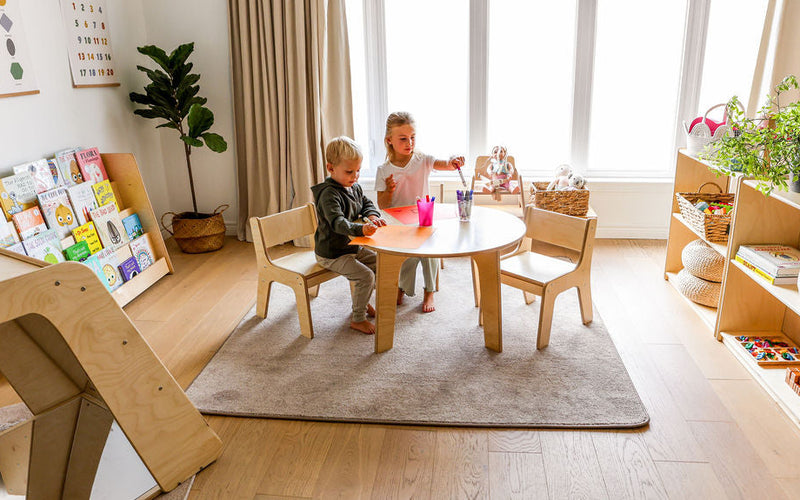
A tested, level-by-level guide to removing crayon, marker, pen, and pencil from wood classroom furniture — without damaging the finish.
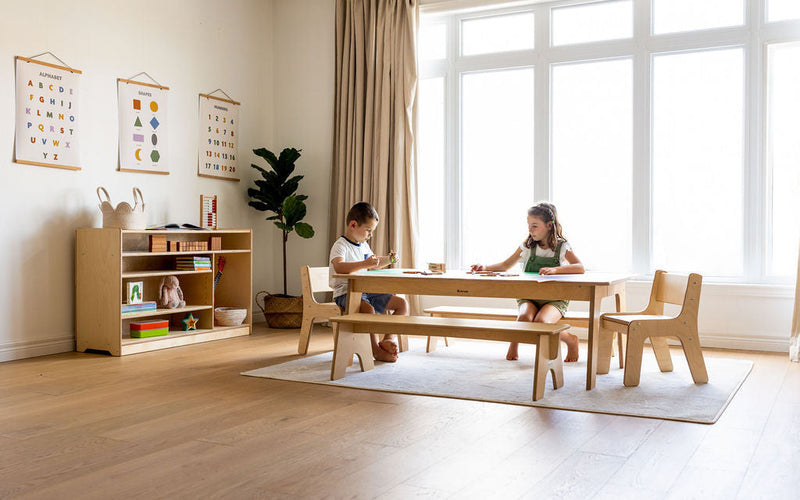
Daycare furniture helps create safe, welcoming, and engaging environments that support learning, comfort, and child development. Here's what "nurturing" actually breaks down into.
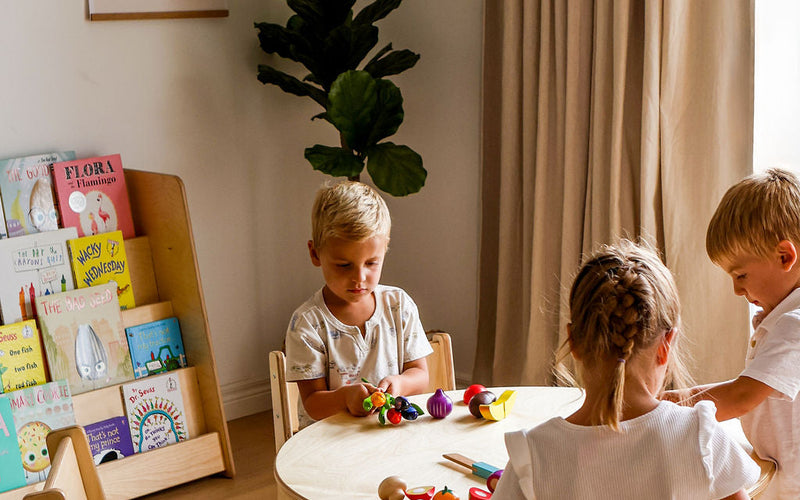
Montessori classroom chairs support independence, proper posture, and active participation while creating child-centered learning spaces. Here's what separates a real Montessori chair from a kid-sized one.
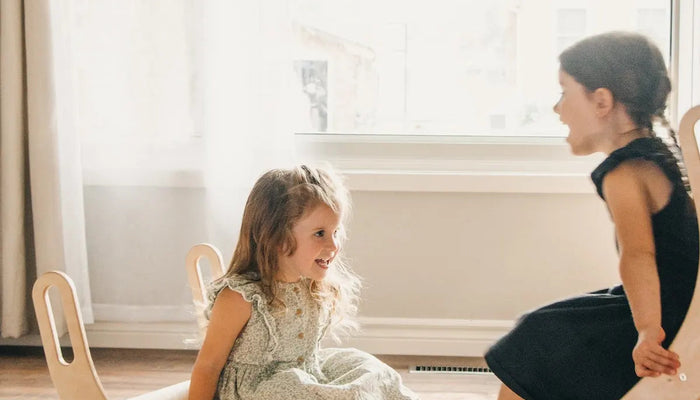
Daylight isn't just a comfort feature. It regulates sleep, elevates mood, improves focus, and shapes children's biological rhythms in ways that artificial light simply cannot replicate. Here's how to design for it.

From pinecones to PVC pipe, loose parts generate some of the strongest developmental outcomes in early childhood research. Here's what the science says now — and what it means for how you set up your space.
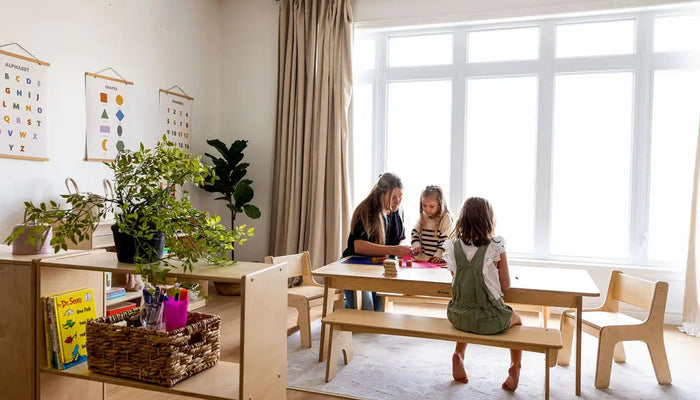
The research on child-sized furniture is surprisingly specific. When feet hit the floor, when shelves are at eye level, when tables aren't a stretch — independence increases, frustration drops, and the educator's job gets easier.
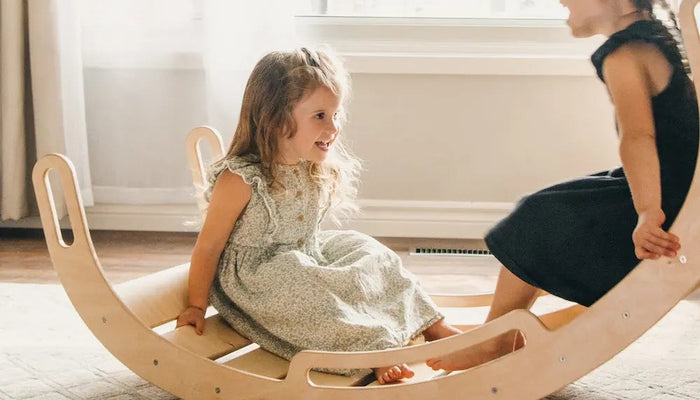
Children are entering school with measurably weaker grip strength, less core stability, and fewer gross motor milestones achieved than a generation ago. The indoor environments where they spend most of their time are a major factor — and we can change that.

Canadian children now average 4.3 hours a week of unstructured outdoor nature — down from 8+ hours a generation ago. That's not a trend. That's a public health problem. And early learning centres are the best positioned to fix it.

These three terms are used interchangeably in casual conversation but describe meaningfully different models with different training, regulatory, and facility requirements. Here's a clear breakdown.

Most outdoor learning resources assume mild climates. Canada doesn't have one. Here's how to design, prepare for, and programme outdoor learning from October through April — with real experience from Canadian educators who do it every year.

Research shows that child-led time in natural environments builds executive function, language, and resilience in ways no structured lesson can replicate. And yet it's the first thing cut when schedules get tight. That needs to stop.
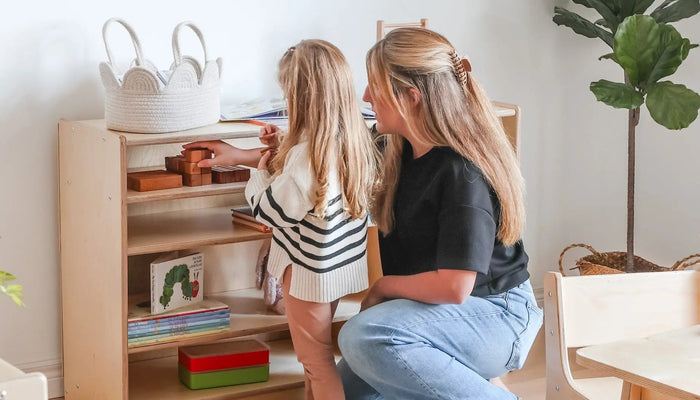
The Montessori shelf is one of the most discussed and most misunderstood elements in early childhood design. Here's what the research and the practice actually say about height, material, layout, and rotation.
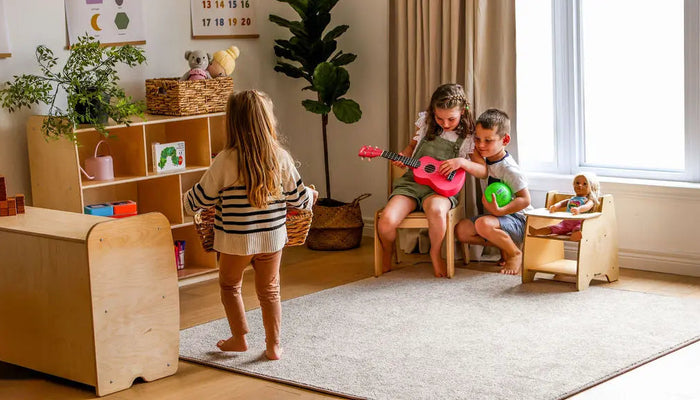
The Reggio concept of the third teacher is widely cited and rarely unpacked. Here's a practical translation: if the environment teaches, what does your furniture specifically teach — and is it the right lesson?

The research on child-directed learning is strong. Less discussed is the direct connection between room design, furniture choices, and whether child-led learning is actually possible. Here's what enables it.
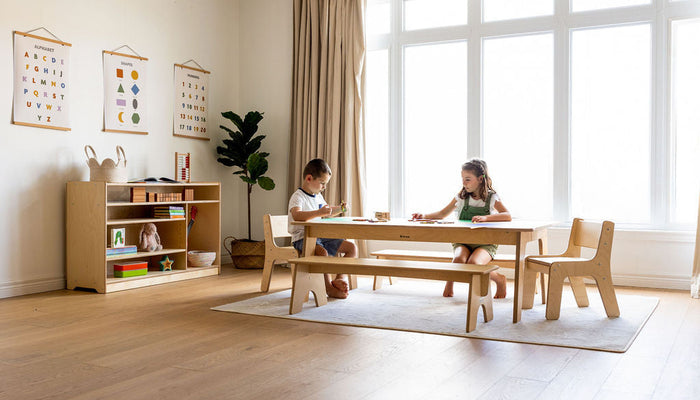
Daycare furniture helps create safe, welcoming, and engaging environments that support learning, comfort, and child development. Here's what "nurturing" actually breaks down into.
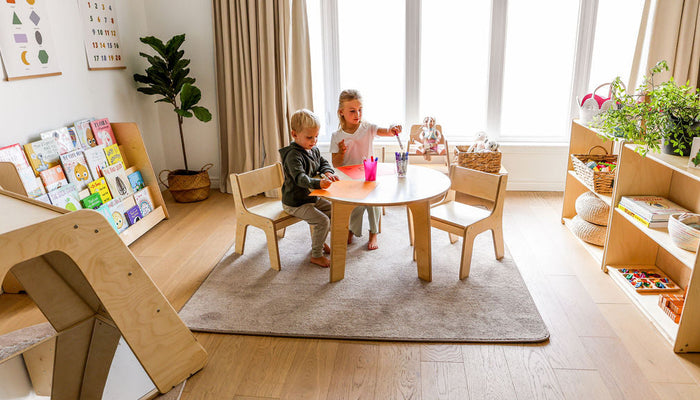
An infant activity table supports sensory exploration, motor skill development, and independent play in early learning environments. Here's what actually matters when specifying one.
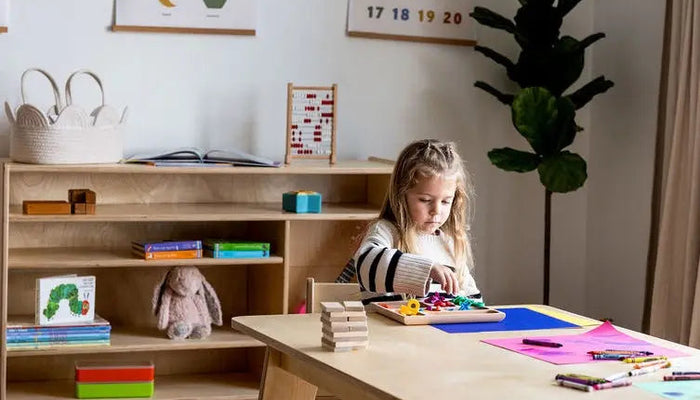
Most ECE furniture buying mistakes happen before the first quote is received. This guide covers what to specify, what to avoid, and how to make decisions that hold up over the life of your programme.
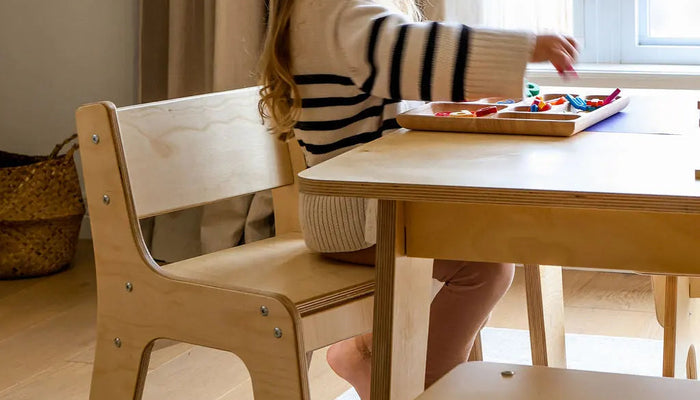
A chair is the single piece of furniture a child interacts with most in a classroom setting. Getting the sizing, material, and configuration wrong costs you in development, behaviour, and replacement budgets. Here's what matters.
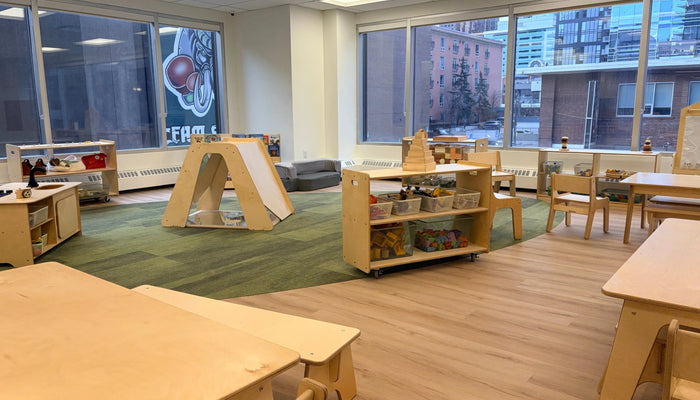
Most furniture buying mistakes in early childhood settings happen before the purchase, not after. These five questions, asked of every supplier before you commit, prevent the most common and most expensive errors.
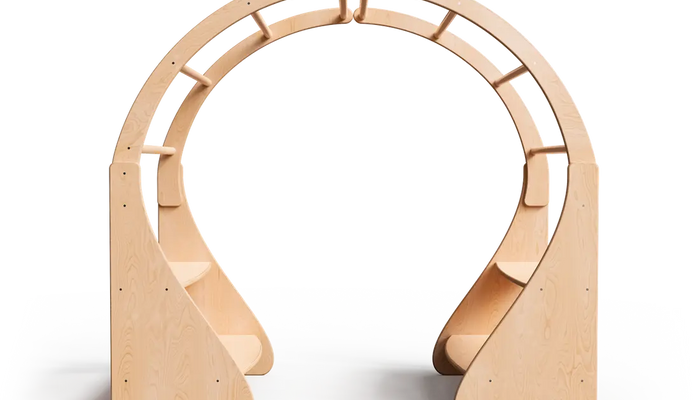
Waldorf education, founded by Rudolf Steiner in the early 20th century, is built upon the principles of nur...
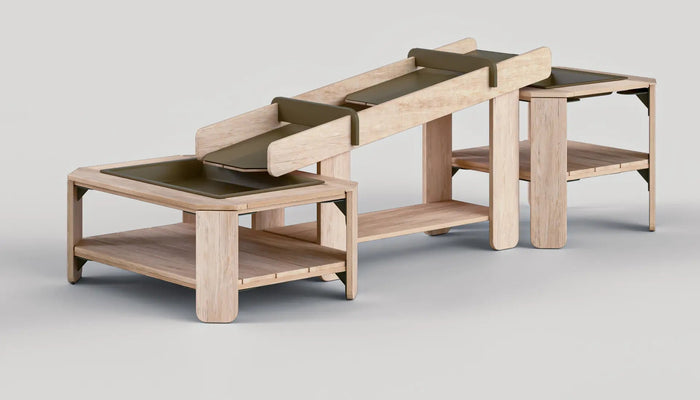
Fern Kids Outdoors is the only premium hardwood outdoor ECE furniture line manufactured in Canada. Built from select Canadian hardwood at 8× the Janka hardness of cedar, designed for year-round outdoor programming. Now taking orders for 2026 delivery.
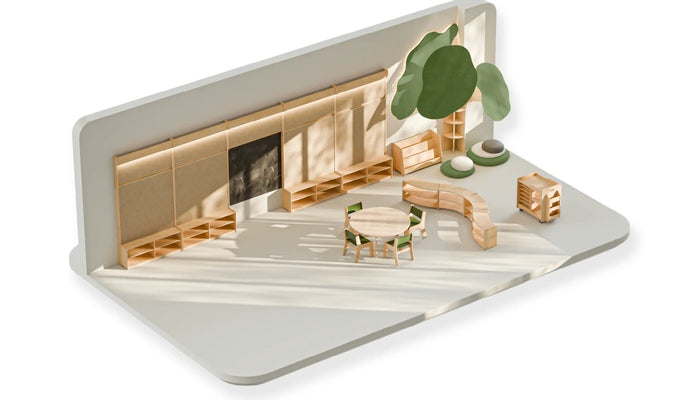
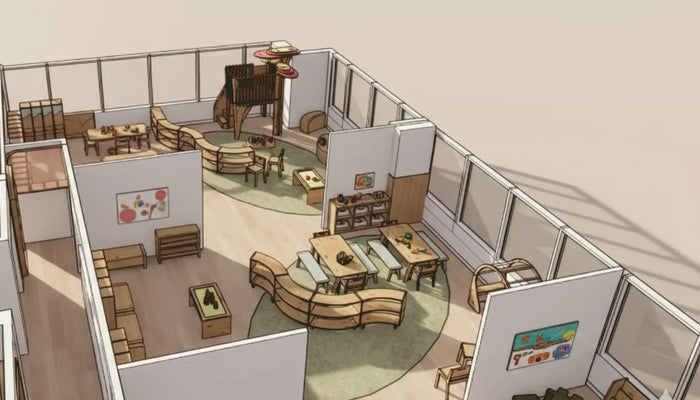
Before you spend money on furniture, get the layout right. Fern Kids offers a free layout service — professional room planning using actual Fern Kids dimensions, licensing zone checks, and a PDF you can share with your board or licensing body.
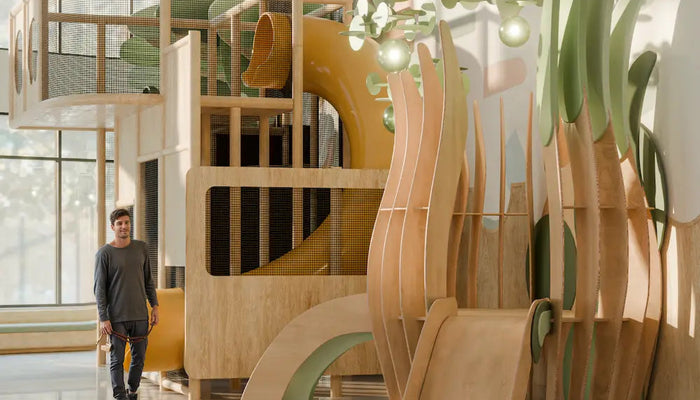
Fern Kids designed and fabricated the signature tree structure, loft, slide, and custom furniture for Adventure Alley — Toronto's indoor playground at Dufferin and Dupont, designed by Jordana Leventhal of LV Interior Design Studio. Featured in Designlines Magazine and Interior Design Hot Shots 2026.
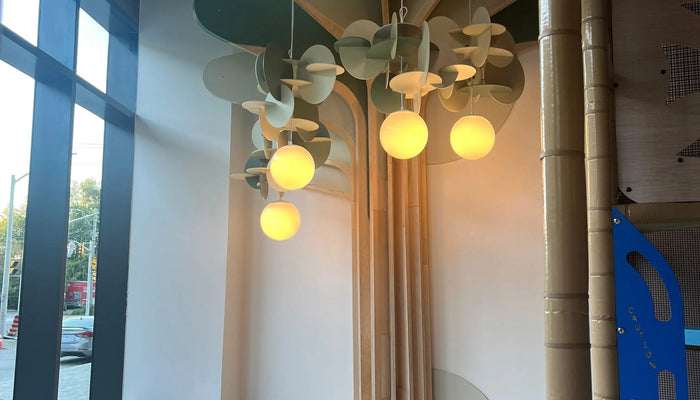
How Fern Studio designed and built the centrepiece tree structure, loft, slide, and custom furniture for Adventure Alley — Toronto's newest indoor playground, designed by Jordana Leventhal of LV Interior Design Studio.
Ready to build your space?
Our complimentary layout service helps you plan using real Fern Kids dimensions — whether you're furnishing one classroom or designing a whole centre.